

With the release of our Independence Day Duo featuring Cask No. 133.3 Superbly Juicy and Vivid and Cask No. 133.4 Gently Smouldering, I thought it would be the perfect opportunity to gain insight on the featured distillery #133 specifically and the state of American Single Malt in general. Lucky for us, SMWS America’s Managing Director, Steve Hawley spent 13 years at Westland Distillery and is the President of The American Single Malt Whiskey Commission.
I sat down with Steve last week to get his perspective on these subjects. I hope you enjoy this rare peak behind the scenes!

TS: What do you think most distinguishes American single malt from Scotch single malt today?
SH: American Single Malt is in a unique position simply because it's new. Not young, new. It’s relative, of course. While single malt has been made in America for more than 30 years, that’s a blip in time compared to Scotch’s 500+ history. But American single malt is old enough that distilleries can now put out expressions with higher age statements, for whatever that’s worth. But it’s the opportunity, and frankly the imperative, to look at single malt in new ways that really distinguishes it from Scotch. Whereas Scotland has long been incentivized to embrace tradition (though that is slowly starting to change), America has had every reason to explore new ideas and possibilities in single malt to bring a new voice to the global conversation.
TS: What's a common misconception consumers have about American single malt whiskey?
SH: I wish I could say there was one main misconception about the category, but since American Single Malt was made for so long without the benefit of a formal definition—until we changed that in January 2024—a lot of misinformation and confusion was spread for years. American Single Malt Whisky plays different rules. No, it doesn’t. Formalizing regulations will stifle innovation. Far from it. American single malts will never hold a candle to Scotch or Japanese single malts. Already disproved. Perhaps the worst of them though is the most confounding. Isn't American Single Malt just Scotch made in the U.S.? There is much work to do to dispel a number of the misconceptions. But the pace at which the category is making progress on this front is impressive and encouraging.
TS: Where do you see the American Single Malt category 10 years from now?
SH: American Single Malt has already proven it can stand tall with the finest single malts in the world in terms of quality and flavor, so that box is checked. From here you’ll see three things: First, more distilleries getting into the single malt game in America. Many have been waiting for the right time—market conditions, consumer tastes (and courage), formalized regulations. You’ll see those already in the game doubling down as soon as they can afford to. And finally, you’ll see a lot more American Single Malt be sent to regions across the globe—again, once trade wars and economic doom and gloom begin to lift.
TS: Was there a Westland cask that really surprised you - positively or negatively - during your time there?
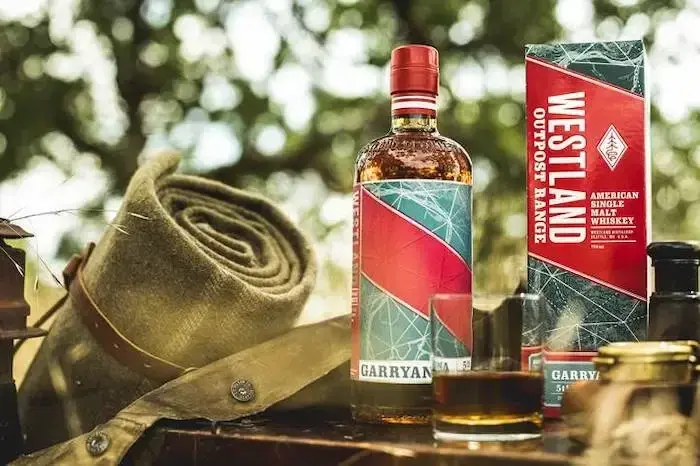
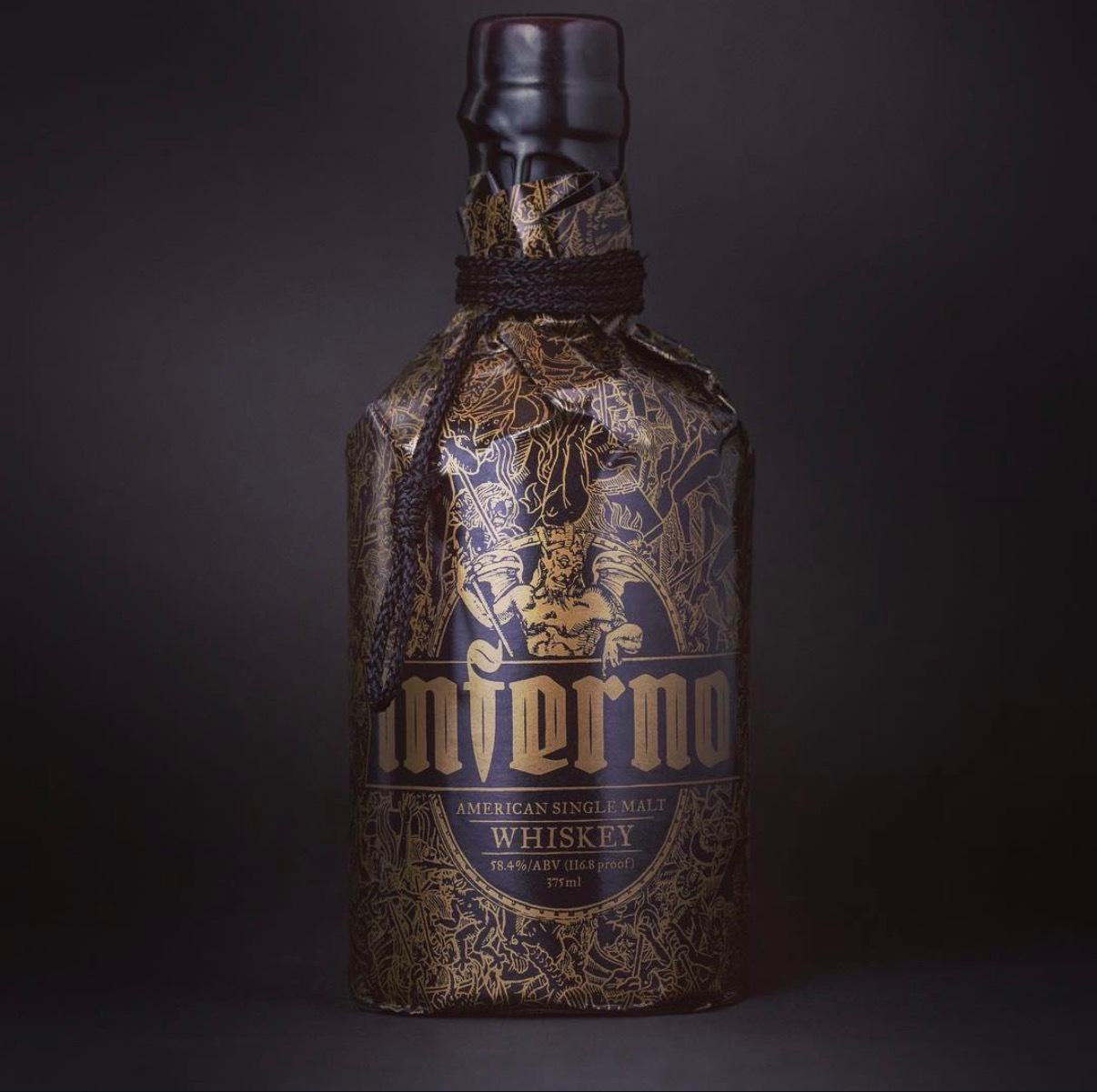
SH: By the time I left the distillery we had upwards of 10,000 casks in the rackhouse. So yeah, no shortage of surprises to be found in there, good and bad. If I have to pick two from each side of the line… The original Garryana casks that we laid down completely knocked me out. Ironically, we didn’t actually care for the single casks we bottled right out of the gate. They were too overwhelming and one dimensional. But the new flavors were like nothing I’d ever tasted. I knew we would be able to make absolutely unique and delicious whiskies with it. But even more than that, it was a foreshadowing for me of what American Single Malt could offer the world conceptually. On the polar opposite side of the surprise spectrum was a whisky we matured in an ex-Tabasco cask. I mean, I didn’t expect it to be "good". But I never imagined something could be that revolting either. We bottled it as an April Fool’s Day and called it Inferno: Westland’s Immortal Sin. I still have two bottles of it because the packaging is so cool, but that’s the only reason I have allowed it a spot on my shelf.
TS: What was the most difficult operational challenge running Westland Distillery?
SH: Ha, another long list here. But I’d say the biggest operational challenge was simply space. We built Westland in the heart of downtown Seattle. Over the years we had a couple different locations for our rackhouses but both were a 2.5-hour drive from the distillery on a good day. I can tell you; monkey shoulder isn’t just an ailment reserved for the malthouse.
TS: Seattle is known for sourcing locally grown ingredients in every facet of production. How has Westland answered the call to "go local"?
SH: I think “local” is a loaded word. For us provenance, or sense of place, was an ethos not a sales pitch. We never asked the world to try us to support local but because leaning into the terroir of the Pacific Northwest—both from an agricultural and culture standpoint—made for the best, most compelling whisky. We worked to reflect that in everything we did from growing unique varietals of barley that grew best in our region and did right by our partners on the farm, to sourcing regional oak and peat (and building the supply chains for them from the ground up at great cost), to taking inspiration from local brewing colleagues by choosing a brewer’s yeast for fermentation.

TS: How does the local climate affect barrel aging compared with traditional whisky-producing regions?
SH: The Pacific Northwest, and WA State in particular, is ideal for maturing single malt. In a lot of ways, it isn’t all that different from the UK climate. That means gentler maturation with more alcohol lost over time than water relative to traditional American whisky climates which have much more aggressive temperatures swings that result in whisky that go up in proof over time.

TS: Looking back, what decision had the greatest long-term impact on the distillery's success?
SH: Just having the stones to go all in on single malt was the key decision. I’m proud of our choices along the way—the whisky we put into the bottle, the commitment we made to our philosophy, the brand we built to house it all—but that initial leap of faith, that was the defining moment.
TS: If you were starting a distillery today, what would you do differently?
SH: Yes, put the checkbook back in my pocket and join the independent bottling game! Seriously though, the world (and the world of whisky) was much different when we started Westland. We had the skill and vision to make world class single malt, and a talent for telling compelling stories. But we also had good timing and a lot of luck. Starting a distillery today is frankly an even more difficult proposition for so many reasons. It’s cyclical for sure, but for me, once in a lifetime is plenty.