
On July 27th, Society members around the world will be celebrating National Scotch Day. It’s a good excuse to pour a dram and reminisce on just how far our beloved spirit has traveled. But long before Scotch became the global standard of premium whisky, it started somewhere much quieter: a monastery on the banks of the River Tay in Fife, Scotland. To understand Scotch, you have to go back to the people who first turned malted barley into something extraordinary. They were not distillers by trade, but monks.
The story's official starting point is a single line buried in Scotland's Exchequer Rolls, the kingdom's tax and financial records, dated 1494. It reads, in translation, that eight bolls of malt were delivered to a Friar John Cor "wherewith to make aqua vitae" (Latin for "water of life") on the orders of King James IV himself. It's a modest, almost bureaucratic entry, but it's recognized today as the earliest written reference to whisky production anywhere in Scotland. Historians have calculated that eight bolls of malt would have yielded roughly 400 bottles of spirit, meaning Friar Cor wasn't dabbling, he was already running something close to a small production operation.
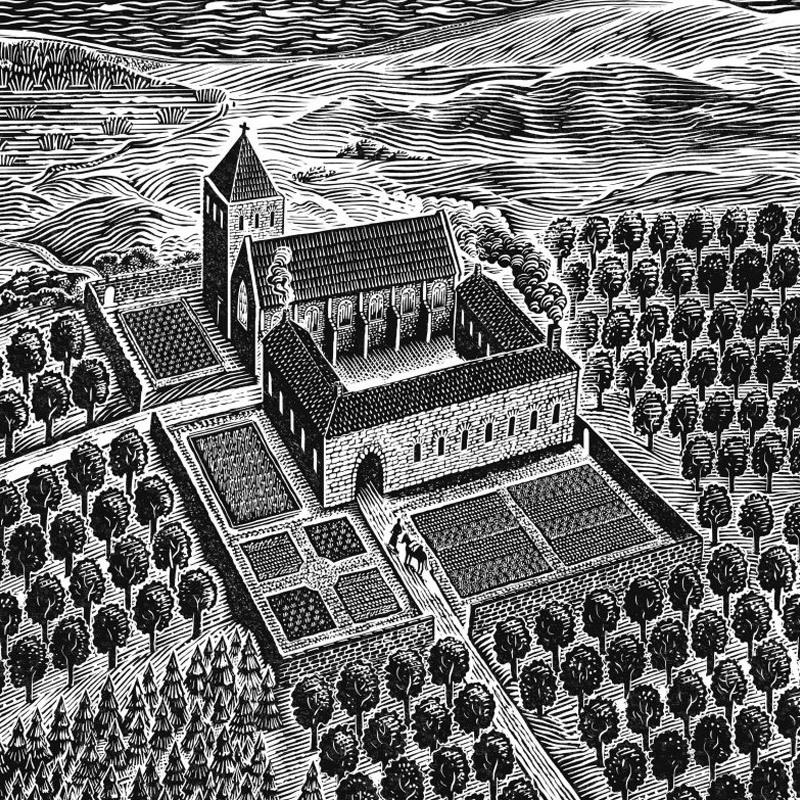
That entry points straight to Lindores Abbey, a Tironensian monastery founded in 1191, nearly 300 years before the famous tax record was even written. Monks at Lindores were far more than clergy; they were skilled craftsmen, traders, and brewers, with trade connections stretching as far as Flanders. Distilling knowledge is thought to have arrived in Scotland through the Church, likely carried by monks familiar with distillation techniques used across medieval Europe for medicine and preservation. At Lindores, that know-how met local barley, clean water from the Tay, and a monastery's patient, methodical rhythms, and Scotch whisky, in its earliest form, was born. The historic site has since earned the nickname "the spiritual home of Scotch whisky".
In those early years, whisky wasn't sipped for pleasure. It was prescribed. Funny enough, aqua vitae was considered a medicinal tonic, used to treat everything from colds to colic, and its production sat comfortably alongside the monastery's other work in herbal remedies and healing. There were no oak casks patiently aging spirit for a decade, no copper pot stills built for consistency. Early distillation was rough, small-batch, and almost certainly harsh compared to anything on shelves today. Yet the fundamentals were already there: malted grain, fermentation, and distillation into a spirit strong enough to earn its "water of life" name.
For centuries afterward, whisky-making spread from monasteries into farmhouses and crofts across the Scottish Highlands and Lowlands, evolving from a monk's medicinal project into a household craft and eventually into the heavily taxed, occasionally smuggled, and fiercely regulated industry that shaped Scottish rural life. Lindores Abbey itself fell into ruin after the Reformation, its distilling history lying dormant in stone and record books for hundreds of years.
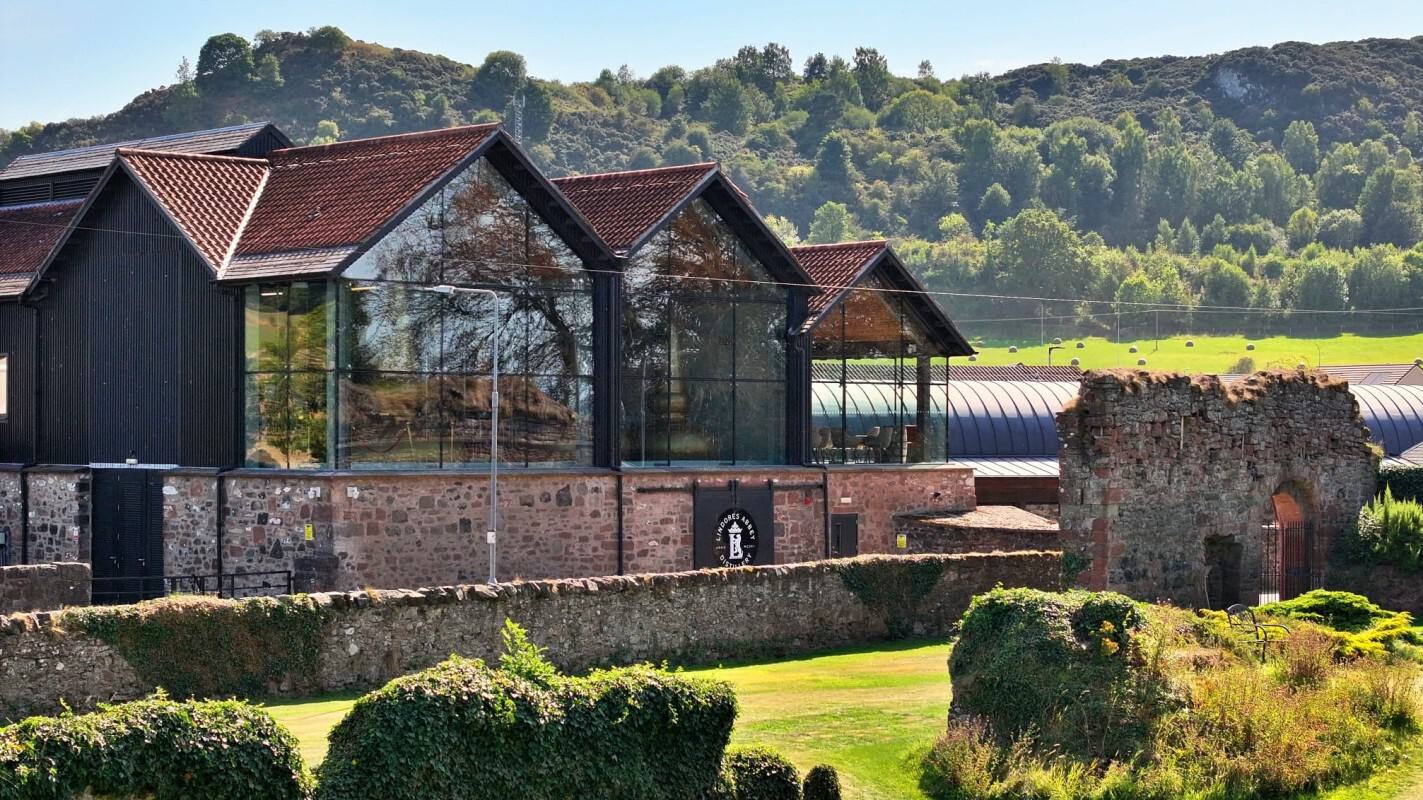
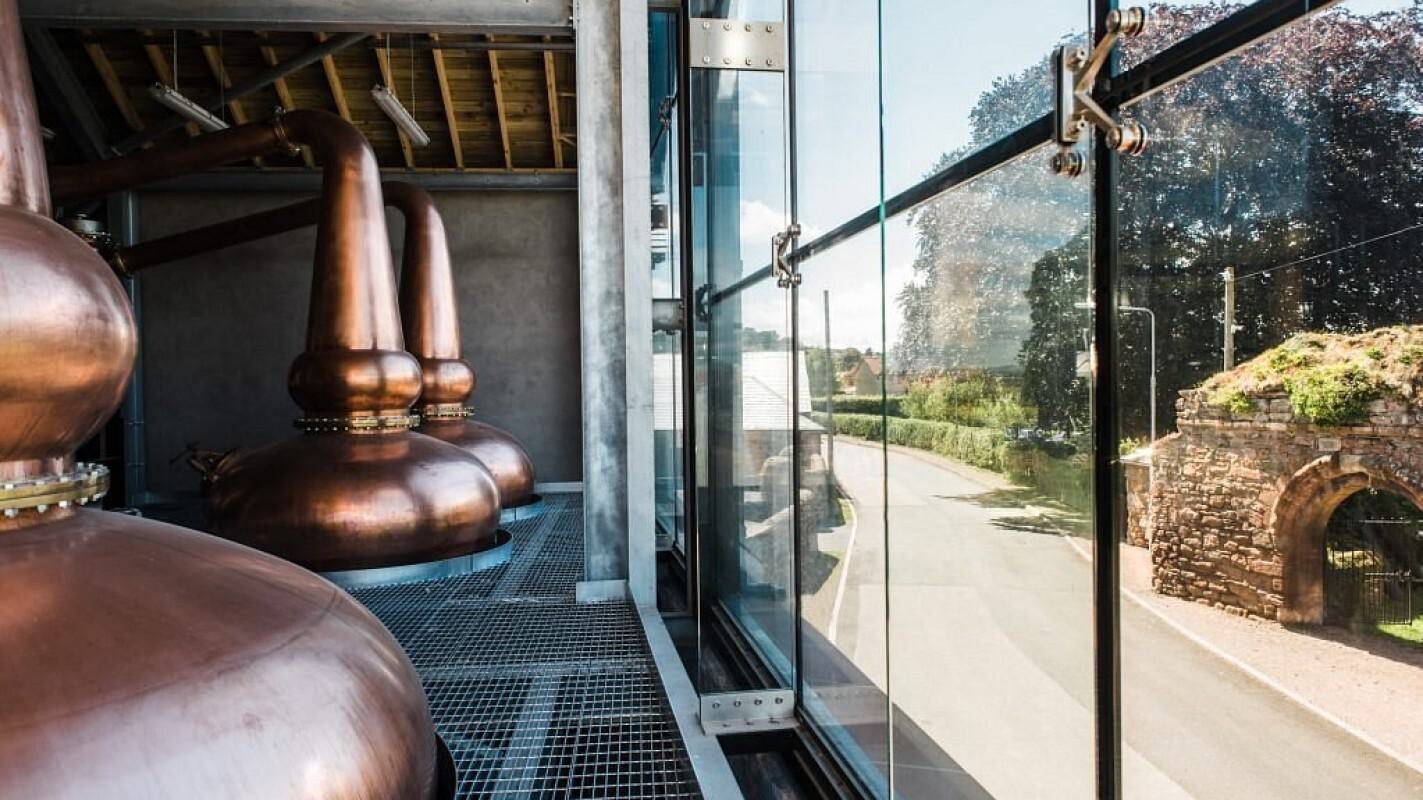
So what's changed since those early years? Well, everything. Today, Scotch whisky is bound by strict legal definitions: it must be distilled at a licensed Scottish distillery and matured in oak casks for a minimum of three years, a level of regulation Friar Cor could never have imagined. Fittingly, the ruins of Lindores Abbey now sit beside a working distillery again: Lindores Abbey Distillery opened in 2017, deliberately built to honor the site's place in whisky history, right down to experimenting with a yeast strain thought to resemble what might have existed in the 15th century. From a monk's tax-recorded malt delivery to a multi-billion-dollar global export, Scotch whisky's journey is a reminder that even the world's most storied spirits started as something small, local, and a little bit accidental. This National Scotch Day, that's worthy of a toast.